The History of the “Swiss Made” Label
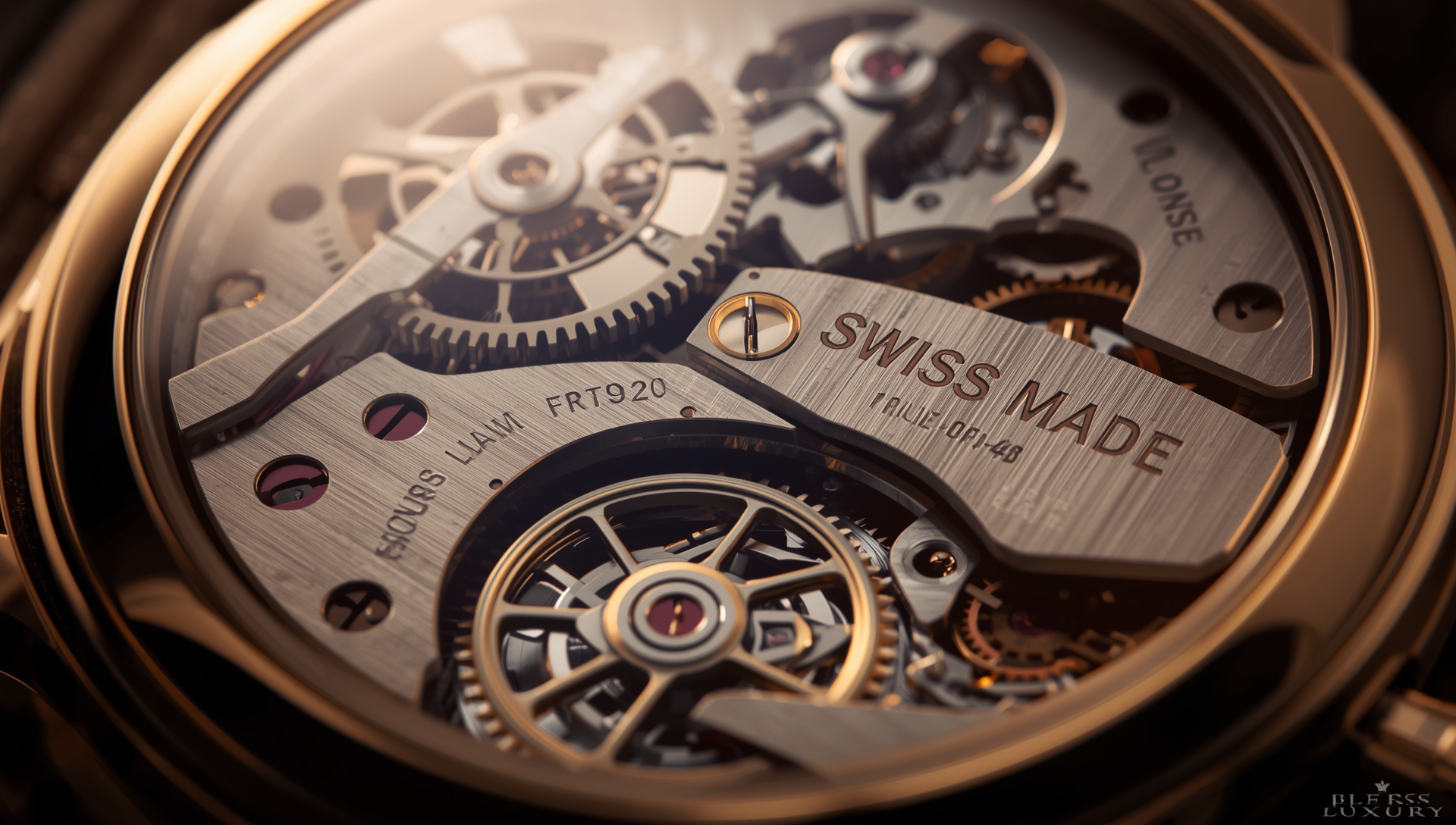
When you see the words "Swiss Made" on a watch dial — typically engraved just below the six o'clock position — you are looking at far more than a country of origin label. Those two words carry the weight of centuries of watchmaking tradition, strict legal requirements, and a globally recognised quality standard that no other country has managed to replicate.
Rolex, Patek Philippe, Audemars Piguet, Omega, IWC — it is almost impossible to imagine these brands without the "Swiss Made" seal. But what exactly does it mean? What legal criteria must a watch meet to earn it? And why does it matter so much to collectors and investors?
At Bless Luxury, Istanbul's pre-owned luxury watch specialist, we break down everything you need to know.
1. The History of the "Swiss Made" Label
The story of "Swiss Made" begins in the late 19th century. As Swiss watchmaking established itself as the world's finest, unscrupulous manufacturers in other countries began stamping "Swiss" on their inferior products to deceive buyers. Switzerland's response was decisive. In the 1890s, legislation was introduced making it illegal to label a watch as "Swiss" or "Swiss Made" without meeting specific production criteria. This made Switzerland one of the first countries in the world to legally brand itself — turning "Swiss Made" into a legally protected geographical indication. Over the following century, the framework was progressively tightened. The most significant update came in 2017, when the "Swissness" legislation came into force. This revision raised the bar considerably, ensuring that the label continued to reflect genuine Swiss craftsmanship rather than a technicality.
2. The Legal Criteria: What "Swiss Made" Actually Requires
For a watch to carry the "Swiss Made" label today, it must satisfy four cumulative requirements under Swiss Federal Law:
- The movement must be Swiss The watch's movement (or calibre) must be manufactured in Switzerland, with at least 60% of its components produced within the country.
- Assembly must take place in Switzerland All components must be assembled on Swiss soil.
- Final inspection must occur in Switzerland Quality control and final testing must be completed in Switzerland.
- At least 60% of production costs must be incurred in Switzerland More than half of the total manufacturing cost must originate from Swiss-based activities.
Every single one of these criteria must be met. A watch that fails even one cannot legally carry the "Swiss Made" label. This is not a marketing designation — it is a legal guarantee backed by Swiss federal law.
3. Why Is "Swiss Made" So Valuable?
Many countries produce watches. Only Switzerland has built this level of legally protected prestige around its watchmaking. There are several reasons:
- A Craft Tradition Centuries in the Making
Swiss watchmaking traces its roots to the 16th century, when Huguenot craftsmen fleeing religious persecution in France brought their skills to Geneva. Cities like Le Locle, La Chaux-de-Fonds and Geneva became global epicentres of horological expertise — knowledge passed down through generations of master watchmakers.
- Unmatched Technical Precision
Swiss watchmakers perfected the art of producing components to tolerances of a thousandth of a millimetre. This level of mechanical mastery — combining hand-finishing with high-precision engineering — has never been replicated at the same depth anywhere else in the world.
- Long-Term Investment Value
"Swiss Made" watches have a strong track record of appreciating in value. The Rolex Submariner, Patek Philippe Nautilus, and Audemars Piguet Royal Oak are all examples of models that routinely trade at multiples of their original retail prices.
Research indicates that the "Swiss Made" label can contribute to a value increase of up to 50% for luxury goods compared to equivalent products without the designation.
4. The Most Iconic "Swiss Made" Watch Brands
The world's most coveted watch brands all share the "Swiss Made" label:
- Rolex — The undisputed king of luxury watchmaking. Every Rolex is designed, manufactured, and tested entirely in Switzerland.
- Patek Philippe — The Geneva manufacture known for the philosophy: "You never actually own a Patek Philippe. You merely look after it for the next generation."
- Audemars Piguet — Independent watchmaker in Le Brassus, producing continuously since 1875.
- Omega — The first watch worn on the Moon. Based in Biel/Bienne, Switzerland.
- IWC Schaffhausen — Combining Germanic engineering discipline with Swiss craftsmanship since 1868.
- Jaeger-LeCoultre — Known as "the watchmaker's watchmaker," having created over 1,000 calibres to date.
Every pre-owned model in the Bless Luxury collection comes from brands of this calibre.
5. "Swiss Made" in the Pre-Owned Market
When purchasing a pre-owned luxury watch, the "Swiss Made" label matters — but it must be paired with verified authenticity. At Bless Luxury, every watch in our collection undergoes a rigorous evaluation process:
- Authenticity verification: Serial number checks, movement and dial inspection
- Condition assessment: Functional testing, service history review
- Documentation review: Warranty card, original box, and certificate of authenticity
- Transparent pricing: Fair market valuation with clear reference pricing
The investment value of a "Swiss Made" watch is protected — and enhanced — by proper documentation and provenance.
6. "Swiss Made" vs "Swiss Movement": What's the Difference?
These two labels are frequently confused. Here's a clear comparison:
| Swiss Made | Swiss Movement | |
| Meaning | The entire watch meets Swiss legal criteria | Only the movement is Swiss-made |
| Legal backing | Yes — four criteria required | Partial |
| Collector Value | High | Moderate |
| Dial marking position | Typically at 6 o'clock | Varies |
When buying a watch, pay close attention to the exact wording on the dial. The difference between "Swiss Made" and "Swiss Movement" can have a significant impact on long-term value and resale potential.
7. Bless Luxury and the "Swiss Made" Standard
Bless Luxury is a pre-owned luxury watch showroom located in Akmerkez, Istanbul. Every timepiece in our collection carries the "Swiss Made" designation — because for us, this is the baseline, not an exception. From a collector's perspective, "Swiss Made" means:
- A legally verified manufacturing standard
- Strong long-term value retention potential
- Global recognition and demand in the secondary market
- Access to a wide network of authorised service centres
Our team of specialists is always available to guide you towards the right timepiece — whether you're a first-time buyer or an experienced collector looking to expand your portfolio.
Frequently Asked Questions
- Are there Swiss watches without the "Swiss Made" label?
Yes. Some watches produced in Switzerland do not meet all four legal criteria and therefore cannot carry the label. Others may use the phrase "Swiss Movement" instead.
- How much does the "Swiss Made" label increase a watch's value?
Studies suggest the designation can contribute up to a 50% value premium for luxury goods compared to equivalent products. The exact figure varies by brand and model.
- Where should I buy a pre-owned "Swiss Made" watch?
From a reputable dealer that provides authenticity verification, serial number validation, and a professional condition assessment. Bless Luxury applies all of these as standard.
- When did the Swissness legislation come into force?
It was adopted by the Swiss Parliament in 2013 and came into effect in 2017, significantly tightening the criteria for using the "Swiss Made" label.
- Are all Rolex watches "Swiss Made"?
Yes. Rolex manufactures everything in Switzerland and every watch fully meets the legal "Swiss Made" criteria.
- How can I verify that a watch is genuinely "Swiss Made"?
The dial marking, serial number, original documentation, and authorised service history are the most reliable means of verification.
This content was prepared by Bless Luxury. For pre-owned luxury watch buying, selling, and consultation, visit our showroom at Akmerkez or get in touch with our team.