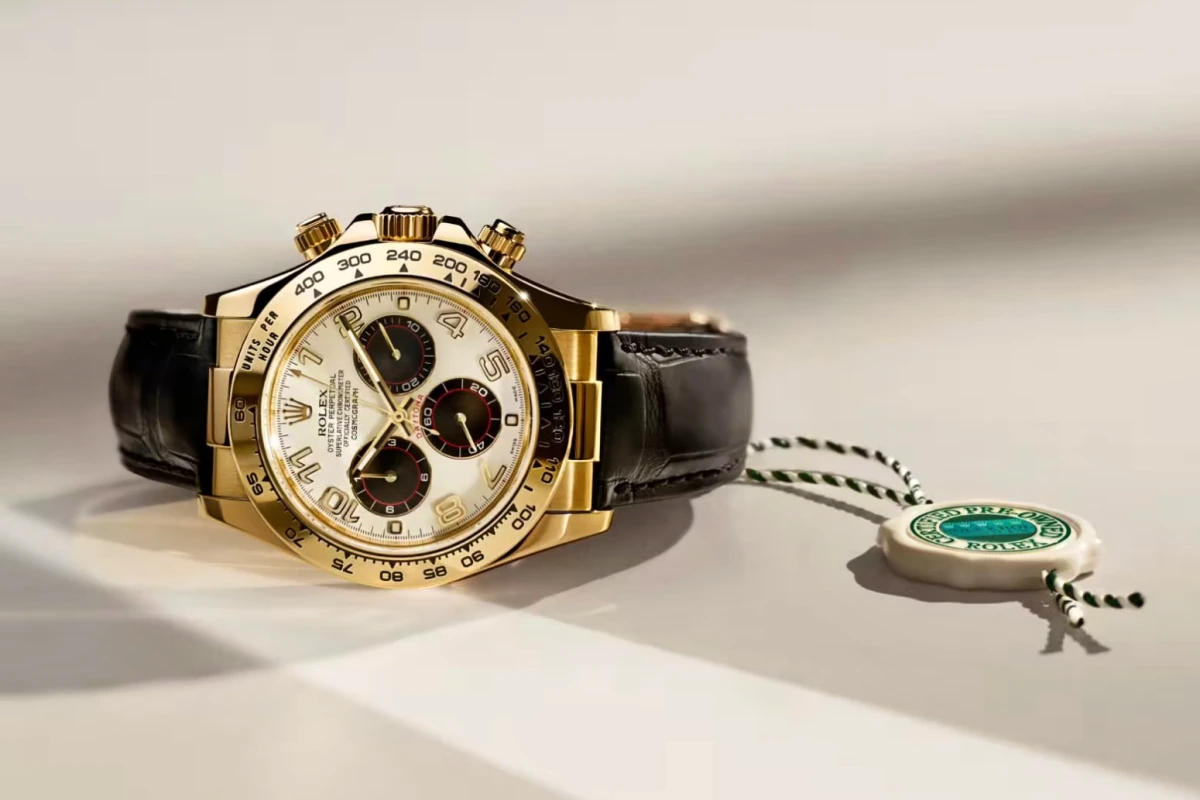
5 Things You Must Know Before Selling Your Luxury Watch
You have a Rolex, Patek Philippe, Audemars Piguet (Rolex, Patek Philippe and Audemars Piguet as investments) or another prestigious timepiece and you are considering selling. Perhaps you are moving on to a new reference, rebalancing your collection, or simply feel the moment is right. Whatever the reason, entering the sales process unprepared carries a real cost. The difference between working with the right knowledge and the right partner is often the difference between achieving a watch's true market value — and leaving money on the table. Here are five critical things to understand before you sell.
1. Know Your Watch's Current Market Value
A common mistake sellers make is valuing their watch against what they originally paid, sometimes years ago. The pre-owned luxury watch market is dynamic — certain references appreciate, others move with shifting market conditions. Before any valuation, review current asking and sold prices for the same reference in comparable condition on trusted platforms such as Chrono24(what Chrono24 is and how it works). This gives you a working baseline. True market value, however, accounts for your watch's physical condition, service history, and the presence of box and papers — factors that only an expert assessment can properly quantify.
2. Locate Your Box and Papers
The presence — or absence — of original box and papers directly impacts price. These are not accessories; they are the watch's provenance record. For brands like Rolex and Patek Philippe(Rolex, Patek Philippe and Audemars Piguet as investments)in particular, original warranty card, documents and box represent a material confidence marker for buyers. If your box or papers are missing, this does not prevent a sale. It does, however, require calibrating your price expectations accordingly. The gap between complete set and watch-only condition varies by reference but can range between twenty and thirty percent on certain models(what to verify when buying pre-owned).
3. Honestly Assess Your Watch's Condition
One of the most counterproductive moves in a sale process is overstating a watch's condition — or attempting to obscure wear through photography. A professional buyer assesses the watch physically and the real condition surfaces immediately. Transparency at this stage is always the more efficient path. Dial condition, case wear, bracelet stretch and last service date all factor into pricing. Arriving at a conversation with an honest self-assessment means you are prepared, not defensive. A watch in strong condition sells at a strong price; a watch in average condition, priced correctly, still finds its buyer.
4. Choose the Right Sales Channel
There are several routes to selling a luxury watch. Each carries distinct advantages and risks. Private sale appears to offer the highest ceiling — but the responsibility for authentication, payment security and buyer sourcing falls entirely to you. International platforms offer broad reach but commission structures and listing timelines must be factored in. Working with a credible pre-owned luxury watch dealer is the most transparent and secure path. Valuation is clear, the process is efficient and payment is guaranteed.
5. Consider Trade-In or Consignment Before Committing to a Sale
If you are simultaneously considering a new acquisition, a trade-in may be more advantageous than a straight sale. Your watch's assessed value is applied directly toward your next timepiece — removing the friction of managing two separate transactions. Consignment offers a different advantage: your watch goes to market without requiring you to convert it to cash immediately. Proceeds are transferred upon sale, and in the meantime your watch is presented under the assurance of a professional dealer. For both options, working with a dealer who offers transparent, non-binding valuations and maintains open communication channels throughout is decisive.
FAQ
- When is the best time to sell my watch? Selling during periods of elevated market demand maximises value. For brands like Rolex and Patek Philippe, demand in the secondary market tends to rise around new model announcements. Expert guidance on timing can meaningfully improve your outcome.
- Can I sell a watch without its box? Yes. However, the absence of box and papers directly affects pricing. Establishing a realistic price expectation based on your watch's condition before entering the process ensures a smoother transaction.
- How can I get my watch valued? Bless Luxury offers complimentary, non-binding valuations. Share your watch's brand, model and reference number via Instagram @@blessluxury or call +90 212 706 11 65 to begin.
- What is the difference between trade-in and consignment? A trade-in applies your watch's value toward a new acquisition. Consignment lists your watch for sale and transfers the proceeds to you upon completion. Both are strong options under the right conditions.
- Where can I sell my luxury watch safely in Istanbul? Bless Luxury offers buying, selling, trade-in and consignment services from its private showroom at Akmerkez, Istanbul. Contact us via Instagram @@blessluxury or +90 212 706 11 65 to begin the process. Ensure your watch reaches its true market value. Book a private consultation with the Bless Luxury team.
Instagram @@blessluxury +90 212 706 11 65 Akmerkez B3 Tower, Etiler/Beşiktaş


